You've driven safely for decades — now insurers want to install a device to monitor your habits. Here's what black box telematics programs actually measure, how they affect your premium, and whether they make financial sense for drivers over 65.
What Black Box Devices Actually Monitor in Your Vehicle
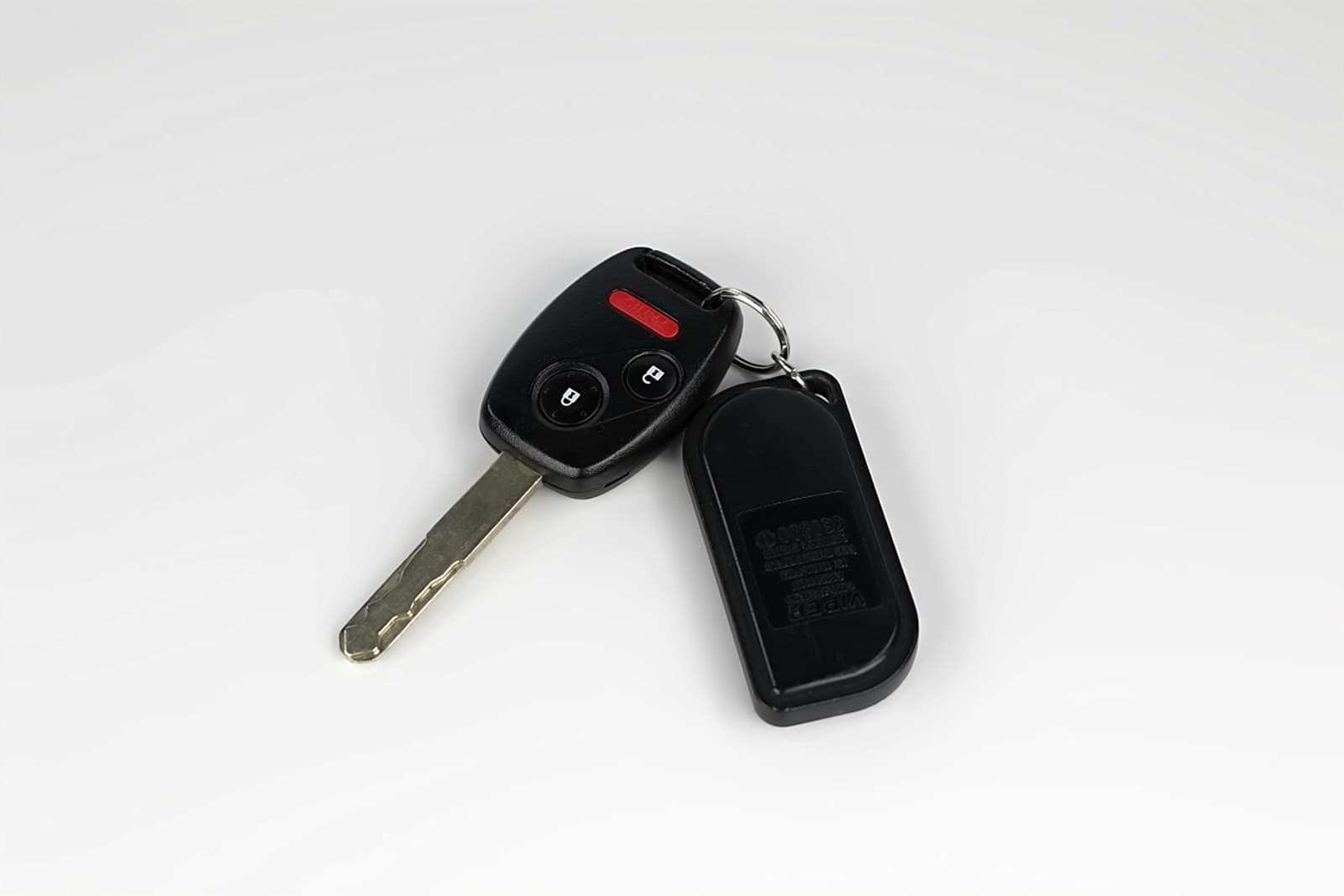
Telematics devices — commonly called black boxes or usage-based insurance monitors — track four primary behaviors: hard braking, rapid acceleration, cornering speed, and time of day you drive. Most programs also monitor total mileage and trip frequency. The device plugs into your vehicle's diagnostic port or operates through a smartphone app that uses GPS and accelerometer data.
What insurers don't advertise: the algorithms penalize driving patterns that have nothing to do with accident risk for experienced drivers. A quick stop to avoid a pedestrian registers identically to aggressive driving. Multiple short trips to the grocery store, pharmacy, and bank — typical for retirees running daytime errands — often score worse than a single long commute. One national carrier's internal scoring rubric penalizes any trip under two miles, which describes most local errands for drivers who no longer commute to work.
The monitoring period typically runs 90 days to six months. During this window, your driving data determines whether you receive a discount, see no change, or face a rate increase. Programs marketed as "discount only" still use the data at renewal — a poor score may not raise your rate immediately, but it removes you from future discount eligibility and can reclassify your risk profile when your policy renews.
Why Telematics Scoring Often Penalizes Senior Driving Patterns
Retired drivers typically make 8–12 short trips per week compared to 5–7 longer trips for commuters, according to transportation research from the Federal Highway Administration. Each trip start and stop creates scoring events. If you drive three miles to the pharmacy, two miles to the post office, and four miles to visit a friend — all between 10 a.m. and 2 p.m. — you've created six acceleration and braking events that factor into your score, even though you drove a total of nine miles in low-traffic conditions.
Time-of-day scoring creates a second penalty. Most telematics programs offer higher scores for daytime driving and penalize late-night trips. This appears to favor retirees — until you examine the details. Programs define "high-risk hours" as 11 p.m. to 4 a.m., but many also assign lower scores to trips between 7 p.m. and 11 p.m., when seniors might drive to dinner, evening church services, or community events. The optimal scoring window is typically 9 a.m. to 4 p.m. weekdays — but only for longer trips with highway speeds.
Hard braking detection presents the most significant issue for careful drivers. The sensors trigger at deceleration rates around 7–8 mph per second. Stopping promptly for a yellow light, slowing for a driver who cuts into your lane, or braking when a car backs out of a driveway can all register as hard braking events. Drivers over 70 with clean records report an average of 2–3 hard braking events per 100 miles in telematics data, often with no memory of driving aggressively — because they weren't.
Compare rates from carriers that specialize in senior drivers
Mature driver discounts, low-mileage rates, and coverage reviews — see what you're actually eligible for.
Get Your Free Quote✓ Mature Driver Discounts✓ No Obligation✓ Licensed Carriers✓ All 50 States
The Real Discount Range and What Enrollment Actually Costs
Insurers advertise telematics discounts of "up to 30%" or "up to 40%," but average discounts for senior drivers enrolled in major programs range from 3% to 12% after the initial enrollment period. The enrollment discount — often 5–10% just for agreeing to participate — disappears after the monitoring window closes, and your ongoing discount reflects your actual score.
For a driver paying $1,200 annually ($100/mo), a 10% telematics discount saves $120 per year. Compare that to a mature driver course discount, which typically provides 5–10% for three years in most states, requires eight hours of online coursework, and doesn't monitor your daily driving. A low-mileage discount for driving under 7,500 miles per year often provides 8–15% without monitoring when or how you drive.
Enrollment carries a hidden cost: data permanence. Once your driving patterns are scored and recorded, that data remains in the insurer's system and influences your risk classification. If you score poorly and cancel the program, you've provided evidence of "high-risk behaviors" that may be factored into future underwriting decisions, even if your driving record remains clean. Several carriers now ask during the application process whether you've previously participated in telematics programs and what your score was.
When Black Box Monitoring Makes Sense for Senior Drivers
Telematics programs offer genuine value in three specific scenarios. First, if you drive primarily highway miles in consistent patterns — such as a weekly 60-mile round trip to visit family — the program will likely score you well and deliver meaningful discounts. Highway driving generates fewer braking events, and regular longer trips avoid the short-trip penalty.
Second, if you've recently had an at-fault accident or moving violation that spiked your premium, a telematics program can provide evidence of improved driving and may qualify you for accident forgiveness or step-down rating faster than waiting for the incident to age off your record. This applies specifically to drivers who had an isolated incident rather than a pattern of violations.
Third, if your current premium is prohibitively high and you've exhausted other discount options, telematics may be worth the monitoring trade-off as a last option before reducing coverage. This scenario typically applies to drivers in high-cost states facing premiums above $2,000 annually where a 15% telematics discount represents $300+ in annual savings.
If you drive fewer than 5,000 miles per year, make primarily short local trips, or frequently drive in dense suburban areas with frequent stops, a straight low-mileage discount or pay-per-mile insurance will almost always deliver better savings without the monitoring and scoring risk. Programs like Metromile or Nationwide's SmartMiles charge a low base rate plus a per-mile fee, typically 3–6 cents per mile, which heavily favors drivers who've stopped commuting.
How Telematics Enrollment Affects Coverage in an Accident
Your telematics data becomes part of the claims record if you're involved in an accident while enrolled in a monitoring program. The device records speed, braking, and force of impact in the moments before and during a collision. Insurers present this as a benefit — objective data that can prove you weren't at fault — but it's a double-edged tool.
If the data shows you were traveling 8 mph over the posted limit or braked hard one second before impact, that information will be used in the fault determination and can affect your claim payout even if the other driver was primarily responsible. In comparative negligence states, this data can reduce your settlement by your assigned percentage of fault.
The data can also affect medical payments coverage and personal injury protection claims. If telematics shows a hard impact but you didn't seek immediate medical attention, insurers have used that gap to question injury claims filed days or weeks later. For senior drivers with Medicare as primary health coverage, this creates complications — Medicare may pay initial bills, but if the accident involved another party's negligence, Medicare expects reimbursement from the auto settlement, and telematics data that reduces your settlement also reduces Medicare's recovery.
State-Specific Rules That Limit How Telematics Data Can Be Used
California prohibits insurers from increasing your premium based solely on telematics data if you were enrolled in a discount-only program. The data can only be used to provide or remove a discount, not to surcharge your base rate. This protection doesn't exist in most states, where poor telematics performance can reclassify you into a higher-risk tier at renewal.
New York requires insurers to disclose exactly what data is collected, how it's scored, and what behaviors result in penalties before you enroll. The state also mandates that you can cancel participation at any time and receive a prorated discount based on the monitoring period completed, rather than losing all discount eligibility immediately upon cancellation.
Massachusetts limits telematics discounts to 30% maximum and requires insurers to offer identical coverage to drivers who decline monitoring, preventing "discount only" structures that effectively penalize non-participants by pricing standard rates higher. Florida, Michigan, and Pennsylvania have no specific telematics regulations, allowing insurers broad discretion in how data is collected, scored, and applied to pricing.
Before enrolling in any telematics program, contact your state's Department of Insurance and ask two specific questions: whether the state limits how telematics data can affect your premium, and whether you're entitled to see your score and the underlying data. Roughly one-third of states require insurers to provide your data upon request; in others, you may never see the actual score that determined your discount.
Better Discount Strategies for Drivers Over 65
Mature driver course discounts remain the highest-value, lowest-risk option for most senior drivers. Approved courses through AARP, AAA, or state-certified providers cost $20–$35, take 4–8 hours to complete online, and qualify you for 5–10% discounts that last three years in most states. Unlike telematics, the discount applies regardless of your daily driving patterns, and completion doesn't create a data record that can be used against you.
Low-mileage discounts typically activate when you drive fewer than 7,500 or 10,000 miles annually, depending on the carrier. If you've retired and no longer commute, you likely qualify — the average retiree drives 4,500–7,000 miles per year compared to 12,000–15,000 for working adults. This discount ranges from 5% to 18% and requires only an annual odometer photo or declaration, not continuous monitoring.
Bundling home and auto coverage delivers 15–25% discounts with most carriers and often includes accident forgiveness and disappearing deductibles as tenure benefits. For senior drivers who own their homes, this combination typically saves more than telematics without monitoring trade-offs. Paying your full premium upfront rather than monthly also eliminates installment fees that add 3–8% to your annual cost — a meaningful amount on fixed income.