What Affects Rates in Billings
- Senior drivers in the West End and Billings Heights navigate different rate profiles based on proximity to Main Street and 24th Street West commercial corridors. The West End's tree-lined residential streets and lower traffic density typically result in 8–12% lower comprehensive claims than the busier Grand Avenue corridor. Heights residents accessing services via Main Street or Zimmerman Trail experience moderate traffic volume but benefit from newer road infrastructure and clearer signage.
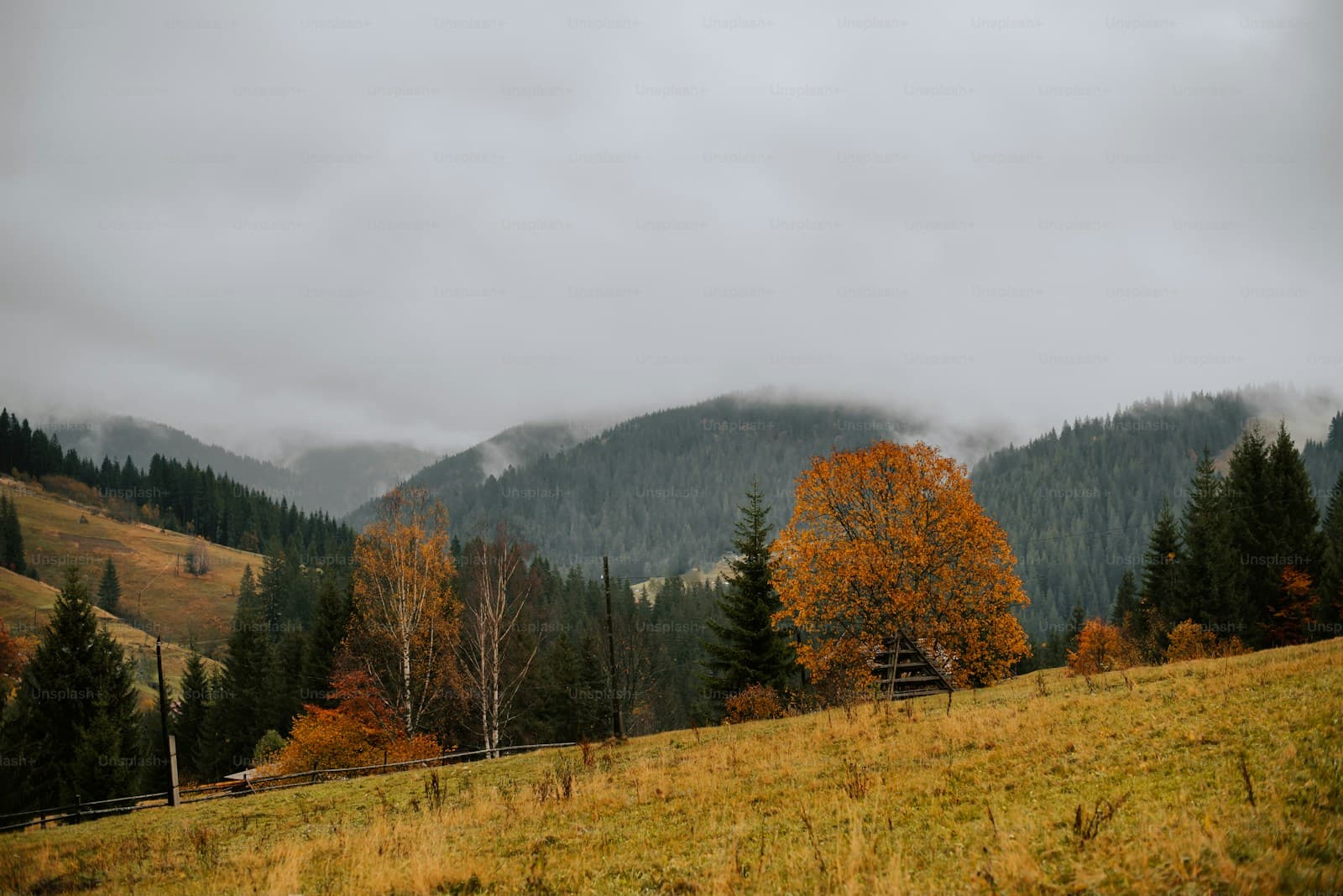
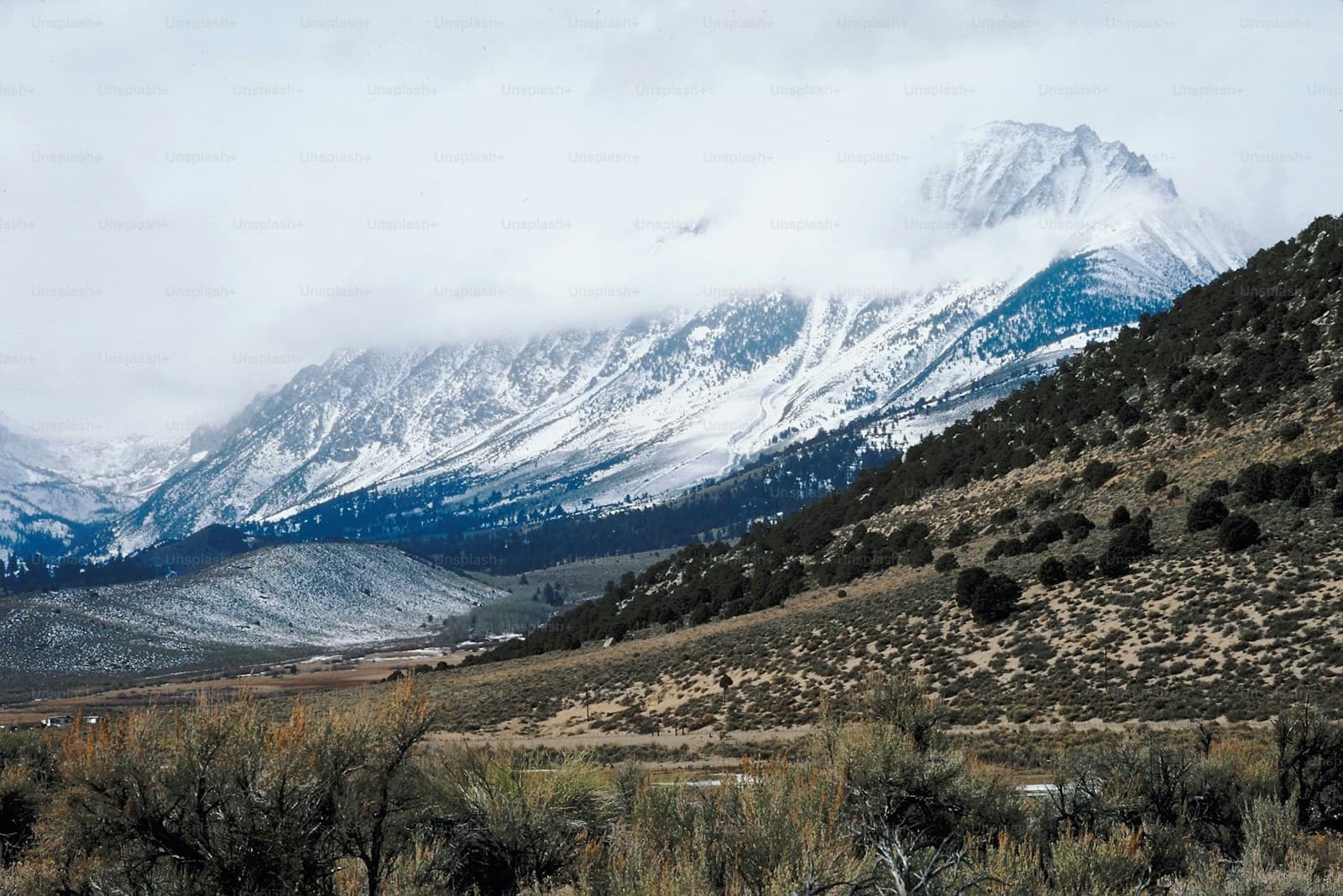
- Billings sits at 3,100 feet elevation with dramatic rimrock formations creating microclimates that affect winter driving conditions. Senior drivers using Airport Road, Zoo Drive, or the Rims for medical appointments face ice accumulation and wind exposure that persist longer than valley routes. Carriers typically assess comprehensive coverage based on garaged location—drivers storing vehicles in the protected West End or South Side pay 5–10% less than those in elevated rimrock neighborhoods where hail and wind damage claims run higher.
- Billings Clinic on North Broadway and St. Vincent on North 30th Street anchor the city's medical infrastructure, with most senior drivers living within a 15-minute radius. This proximity matters for medical payments coverage decisions—drivers with Medicare and supplemental insurance often reduce MedPay to $1,000–$2,000 rather than carrying $5,000+ limits, saving $8–$15/month. Emergency response times average under 7 minutes citywide, faster than Montana's rural average of 12–18 minutes.
- Retired Billings drivers typically log 4,000–7,000 annual miles compared to the state average of 10,000–12,000, concentrating trips to Rimrock Mall, downtown medical appointments, and West End grocery corridors. Telematics programs from carriers like Progressive and State Farm yield 15–25% discounts for drivers under 7,500 miles annually. MetraPark event traffic and tourist congestion along I-90 during summer months represent the primary high-density exposure for senior drivers who otherwise navigate predictable suburban routes.
- AARP Smart Driver courses run monthly at Billings Public Library and MetraPark, with online completion options available for homebound seniors. Montana does not mandate mature driver discounts, but most carriers operating in Billings offer 5–10% reductions for drivers 65+ who complete an approved course every three years. This translates to $5–$13/month savings on typical senior policies, with the $25 course fee recovering in 2–5 months.
Compare rates from carriers that specialize in senior drivers
Mature driver discounts, low-mileage rates, and coverage reviews — see what you're actually eligible for.
Get Your Free QuoteCoverage Recommendations
Cost estimates are based on available industry data and vary by driver profile. These are not insurance quotes.
Liability Insurance
Grand Avenue and 24th Street West corridors see moderate pedestrian and cyclist traffic, increasing liability exposure during errands and medical appointments.
$45–$65/month for 100/300/100Estimated range only. Not a quote.
Comprehensive Coverage
Hail damage claims spike in May–July along elevated rimrock neighborhoods, while deer strikes increase on Shiloh Road and Zoo Drive during dawn and dusk hours.
$25–$40/month with $500 deductibleEstimated range only. Not a quote.
Collision Coverage
Simpler suburban grid layout and lower traffic density reduce collision frequency, making higher deductibles ($1,000+) a viable option for seniors with emergency savings.
$30–$50/month with $1,000 deductibleEstimated range only. Not a quote.
Uninsured Motorist Coverage
I-90 corridor traffic brings transient drivers and commercial vehicles through Billings, increasing exposure to out-of-state and underinsured motorists.
$15–$25/month for 100/300 limitsEstimated range only. Not a quote.
Medical Payments Coverage
With Billings Clinic and St. Vincent both within 15 minutes, most senior drivers carry $1,000–$2,000 MedPay to bridge Medicare gaps rather than higher limits.
$3–$8/month for $2,000 coverageEstimated range only. Not a quote.