Minimum Coverage Requirements in New Mexico
New Mexico operates under a comparative fault system and requires all drivers to carry minimum liability coverage of 25/50/10 — $25,000 per person for bodily injury, $50,000 per incident, and $10,000 for property damage. Unlike some states, New Mexico does not legally mandate mature driver course discounts, though most carriers voluntarily offer them. Senior drivers should verify discount eligibility directly with their insurer, as availability and requirements vary by company. New Mexico's high uninsured driver rate — approximately 21% of motorists lack coverage — makes uninsured motorist protection especially relevant for drivers on fixed incomes who cannot absorb collision costs out-of-pocket.
Meeting the state minimum keeps you legal. See whether it's enough — get your New Mexico quote.
Get your New Mexico quoteHow Much Does Car Insurance Cost in New Mexico?
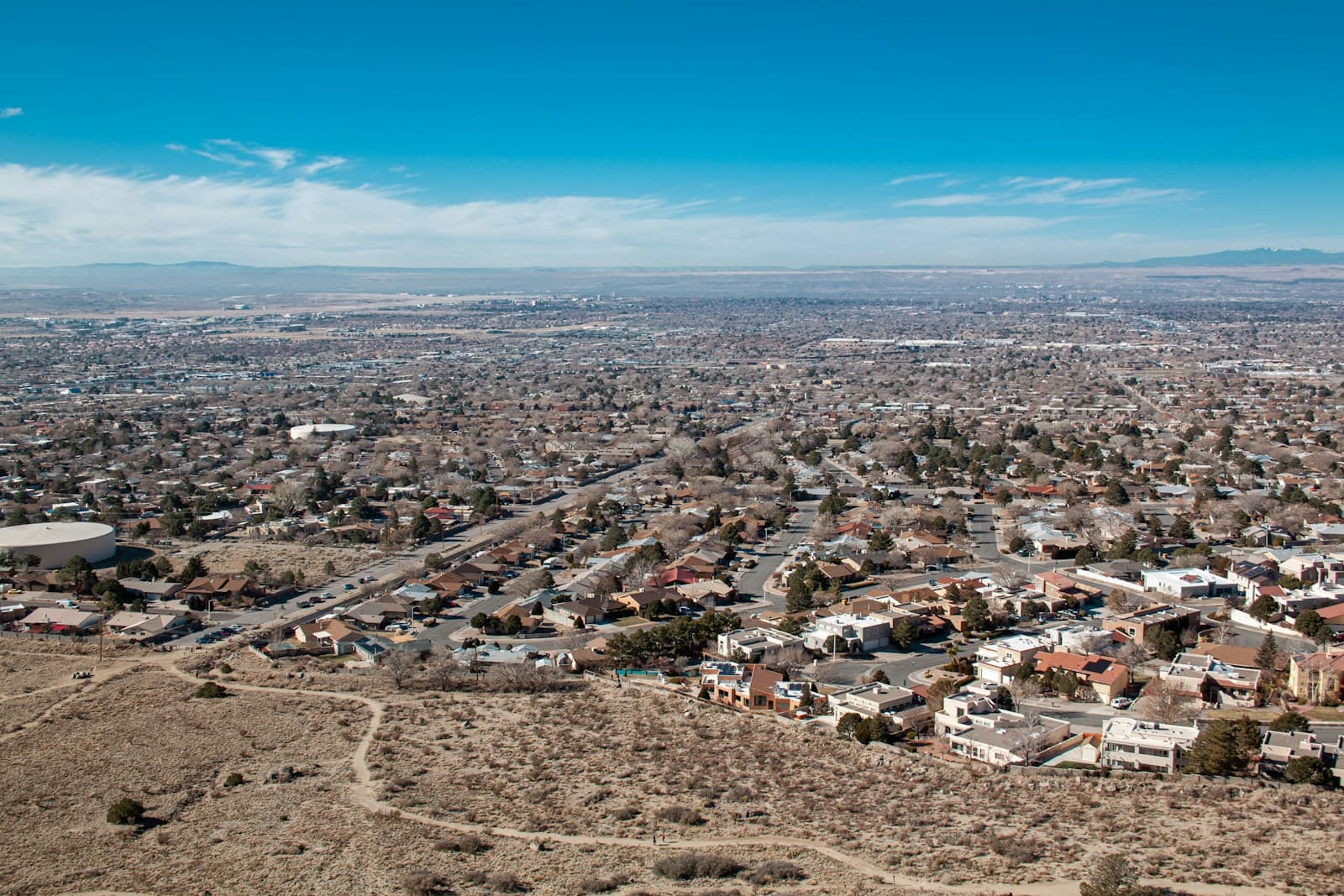
Auto insurance rates for senior drivers in New Mexico typically rise after age 70 due to actuarial age factors, though drivers with clean records and low annual mileage can offset increases through mature driver discounts, low-mileage programs, and telematics options. New Mexico's comparative fault system and high uninsured motorist rate (approximately 21%) influence premium calculations statewide. Urban areas like Albuquerque see higher rates due to accident frequency and vehicle theft, while rural counties often face lower premiums but longer emergency response times.
What Affects Your Rate
- Mature driver course completion: voluntary discounts of 5–15% available from most major carriers for drivers who complete AARP Smart Driver, AAA Driver Improvement, or other state-approved programs (typically 4–8 hours, online or in-person, valid for 3 years).
- Annual mileage under 7,500 miles: many New Mexico seniors no longer commute and qualify for low-mileage discounts of 5–20% by reporting actual odometer readings or enrolling in usage-based programs.
- Uninsured motorist rate of approximately 21%: New Mexico's high percentage of uninsured drivers increases premium costs statewide, making uninsured/underinsured motorist coverage critical for seniors who cannot absorb out-of-pocket collision costs.
- Urban vs. rural location: Albuquerque, Santa Fe, and Las Cruces see higher rates due to accident frequency, theft, and population density, while rural counties typically pay 15–25% less but face longer emergency response times.
- Vehicle age and value: seniors driving paid-off vehicles worth under $4,000–$5,000 often save $40–$70/mo by dropping collision and comprehensive coverage and accepting self-insured risk.
- Multi-policy bundling: combining auto and homeowners insurance with the same carrier typically reduces total premiums by 10–25%, a meaningful savings for retirees managing fixed incomes.
Compare rates from carriers that specialize in senior drivers
Mature driver discounts, low-mileage rates, and coverage reviews — see what you're actually eligible for.
Get Your Free QuoteCoverage Types
Liability Insurance
Covers bodily injury and property damage you cause to others. New Mexico's 25/50/10 minimum is among the lowest in the nation and may not protect retirement assets in a serious accident.
Uninsured Motorist Coverage
Pays your medical bills and vehicle damage when hit by a driver with no insurance or insufficient coverage. Not required in New Mexico, but insurers must offer it.
Comprehensive Coverage
Covers non-collision damage: theft, hail, windshield cracks from road debris, and animal strikes. Optional for vehicles without a loan or lease.
Collision Coverage
Pays to repair or replace your vehicle after an at-fault accident. Required only if you have an auto loan or lease.
Medical Payments Coverage
Covers medical expenses for you and your passengers after an accident, regardless of fault. Not required in New Mexico but available in amounts from $1,000–$10,000.
Full Coverage
Bundled liability, collision, and comprehensive coverage. Provides maximum protection but costs significantly more than minimum liability.