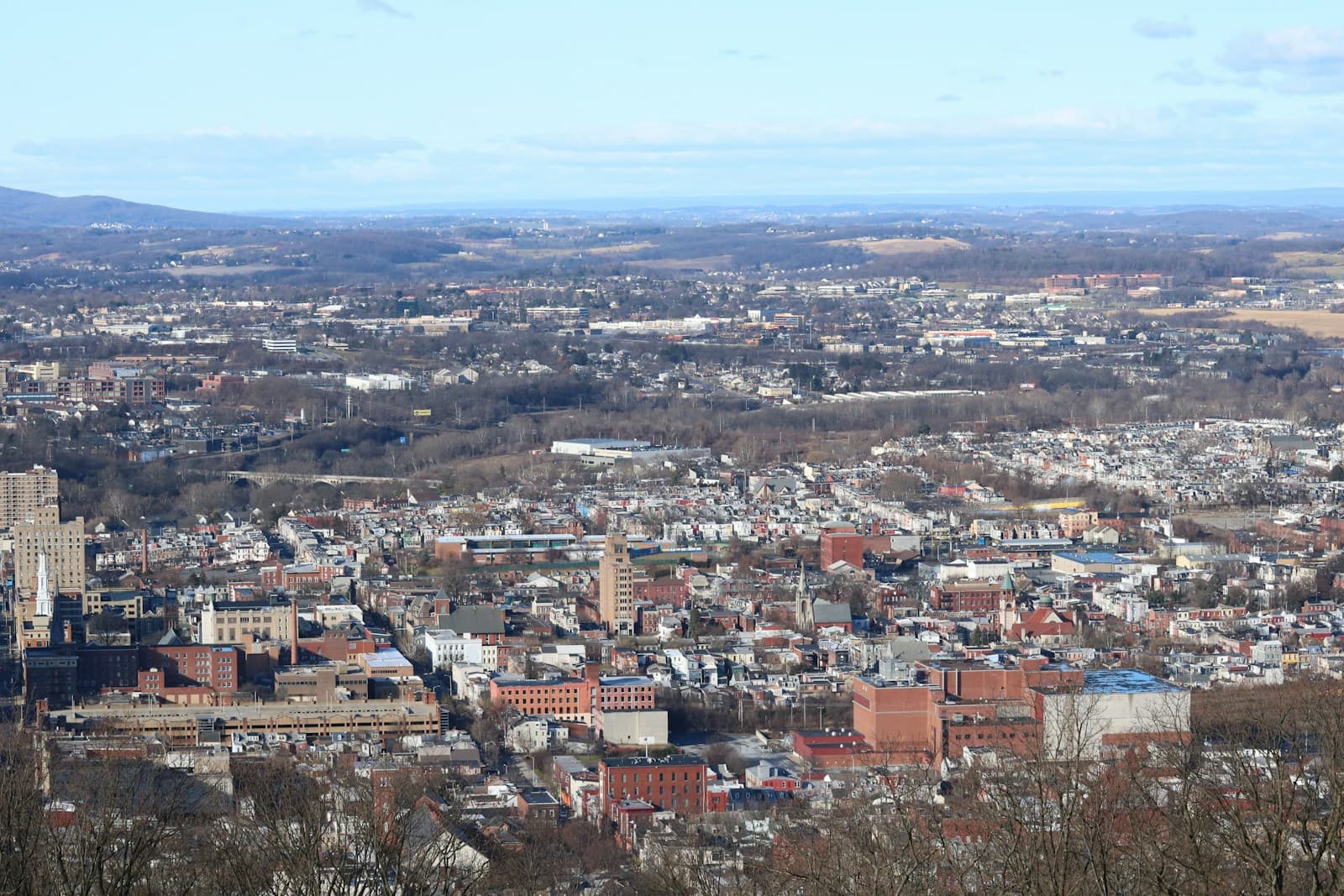
What Affects Rates in Reading
- Reading's downtown grid between Penn Street and the Schuylkill River involves frequent stops, angle parking, and pedestrian crossings that affect comprehensive claims for senior drivers. Parking-related incidents — mirror strikes, door dings, backing collisions — are more common in Centre Park and Mount Penn neighborhoods where on-street parking predominates. Seniors who primarily drive to Reading Hospital or Penn Street Market may benefit from dashcam documentation given the higher density of minor contact claims in these corridors.
- Many Reading seniors live in urban neighborhoods but drive to suburban medical specialists or family in Wyomissing, Sinking Spring, or Mohnton via Route 422. This mixed driving pattern — low-speed urban combined with higher-speed arterial — affects whether collision coverage remains cost-justified on older vehicles. Seniors who limit highway driving and stay within the city's 25–35 mph corridors often see lower collision claim frequency, making liability-only coverage more financially defensible for paid-off vehicles over 10 years old.
- Reading Hospital on Sixth Avenue, Tower Health Reading, and St. Joseph Medical Center create a geographic triangle where many senior drivers concentrate their trips. Emergency response times in this central corridor average under 5 minutes, which affects whether Personal Injury Protection enhancements are redundant for Medicare-covered seniors. Drivers who primarily travel within this medical corridor may prioritize uninsured motorist coverage over PIP stacking, given Reading's estimated 13–15% uninsured driver rate.
- Reading averages 35 inches of snow annually, with January and February creating hazardous conditions on hills in Mount Penn, Skyline View, and Exeter Township areas where many seniors live. Comprehensive claims for winter-related damage — ice-fall dents, salt corrosion, low-speed slides — are concentrated December through March. Seniors garaging vehicles during heavy snow events can document reduced winter mileage for telematics programs, while those driving year-round should maintain collision coverage given the city's mixed record on timely street treatment outside primary corridors.
- Retired Reading drivers who no longer commute to Philadelphia or Harrisburg typically drop from 12,000+ annual miles to 5,000–7,500 miles. BARTA's bus routes along Penn Street, Fifth Street, and out to Berkshire Mall provide alternatives for routine errands, making car use optional for many urban seniors. Telematics programs from carriers active in Berks County can reduce premiums 15–25% for verified low-mileage drivers, but seniors should confirm whether the insurer uses hard braking metrics that penalize cautious defensive driving common in this age group.
Compare rates from carriers that specialize in senior drivers
Mature driver discounts, low-mileage rates, and coverage reviews — see what you're actually eligible for.
Get Your Free QuoteCoverage Recommendations
Cost estimates are based on available industry data and vary by driver profile. These are not insurance quotes.
Liability Insurance
Reading's grid streets and frequent pedestrian crossings near Penn Street and the GoggleWorks Art Center create higher third-party exposure than rural Pennsylvania markets.
$45–$70/monthEstimated range only. Not a quote.
Comprehensive Coverage
On-street parking in Centre Park and Hampden Heights increases risk of vandalism and hit-and-run contact, making comprehensive valuable even for older vehicles.
$25–$45/monthEstimated range only. Not a quote.
Collision Coverage
Seniors driving primarily within Reading's 25 mph zones and avoiding Route 422 during peak hours may find collision coverage less cost-justified on vehicles worth under $5,000.
$35–$60/monthEstimated range only. Not a quote.
Uninsured Motorist Coverage
Reading's estimated 13–15% uninsured driver rate makes UM coverage particularly important for seniors on fixed incomes who cannot absorb uncovered medical or repair costs.
$15–$30/monthEstimated range only. Not a quote.
Medical Payments Coverage
Medicare-covered seniors should evaluate whether Medical Payments duplicates existing health coverage or fills gaps like ambulance transport from Reading Hospital to specialty centers.
$8–$18/monthEstimated range only. Not a quote.