What Affects Rates in Salt Lake City
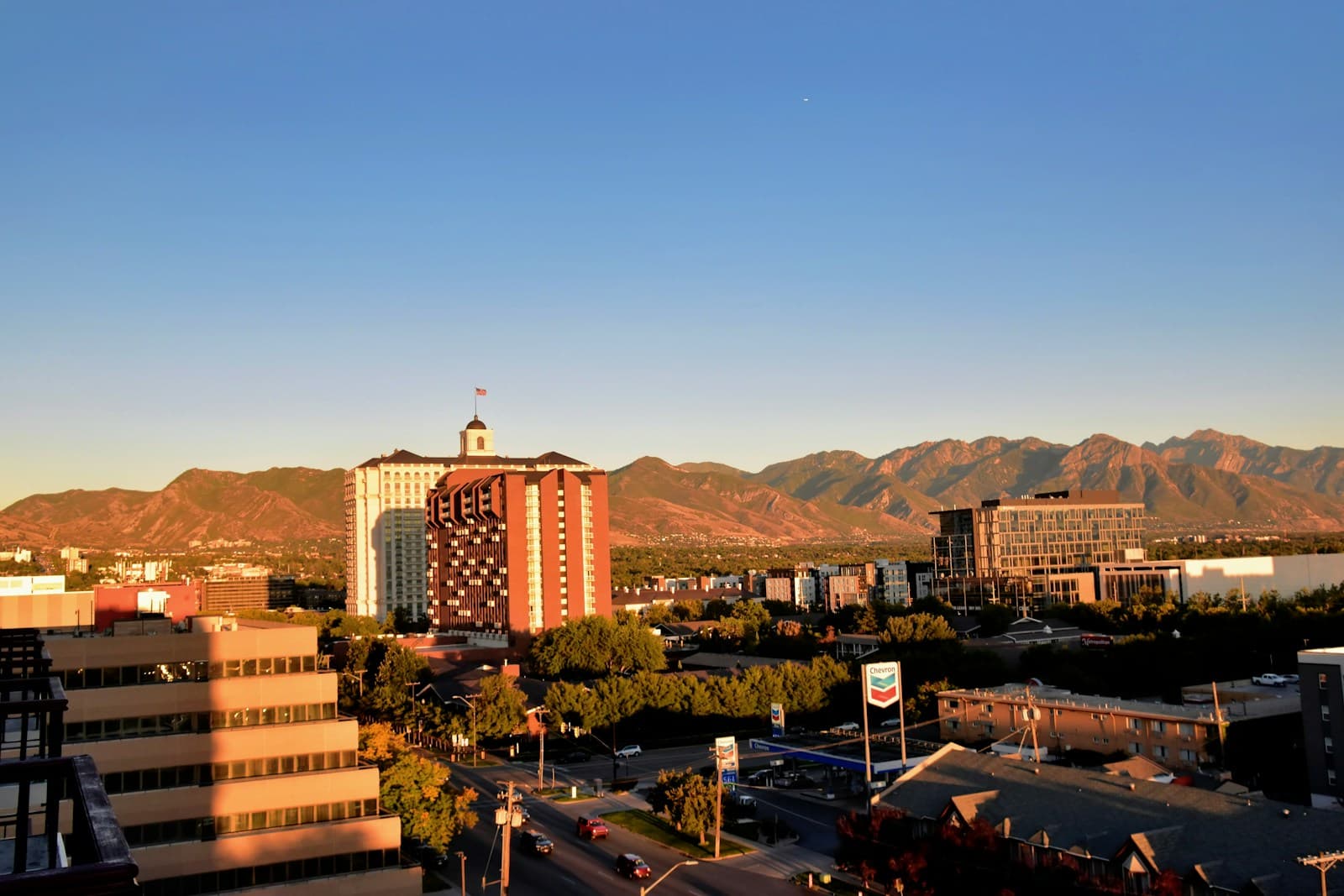
- The I-15 corridor through Salt Lake City handles over 190,000 vehicles daily between 600 South and North Temple, creating higher collision frequency that directly affects comprehensive and collision premiums for drivers in downtown, Sugar House, and adjacent neighborhoods. Senior drivers who avoid rush-hour commutes (7–9 AM, 4–6:30 PM) and primarily drive local errands in the Avenues, Capitol Hill, or Liberty Wells may see materially lower rates through telematics programs that document off-peak driving patterns. Carriers including Progressive, State Farm, and Allstate offer usage-based programs that reward low-mileage, off-peak driving — particularly valuable for retirees no longer commuting to downtown offices.
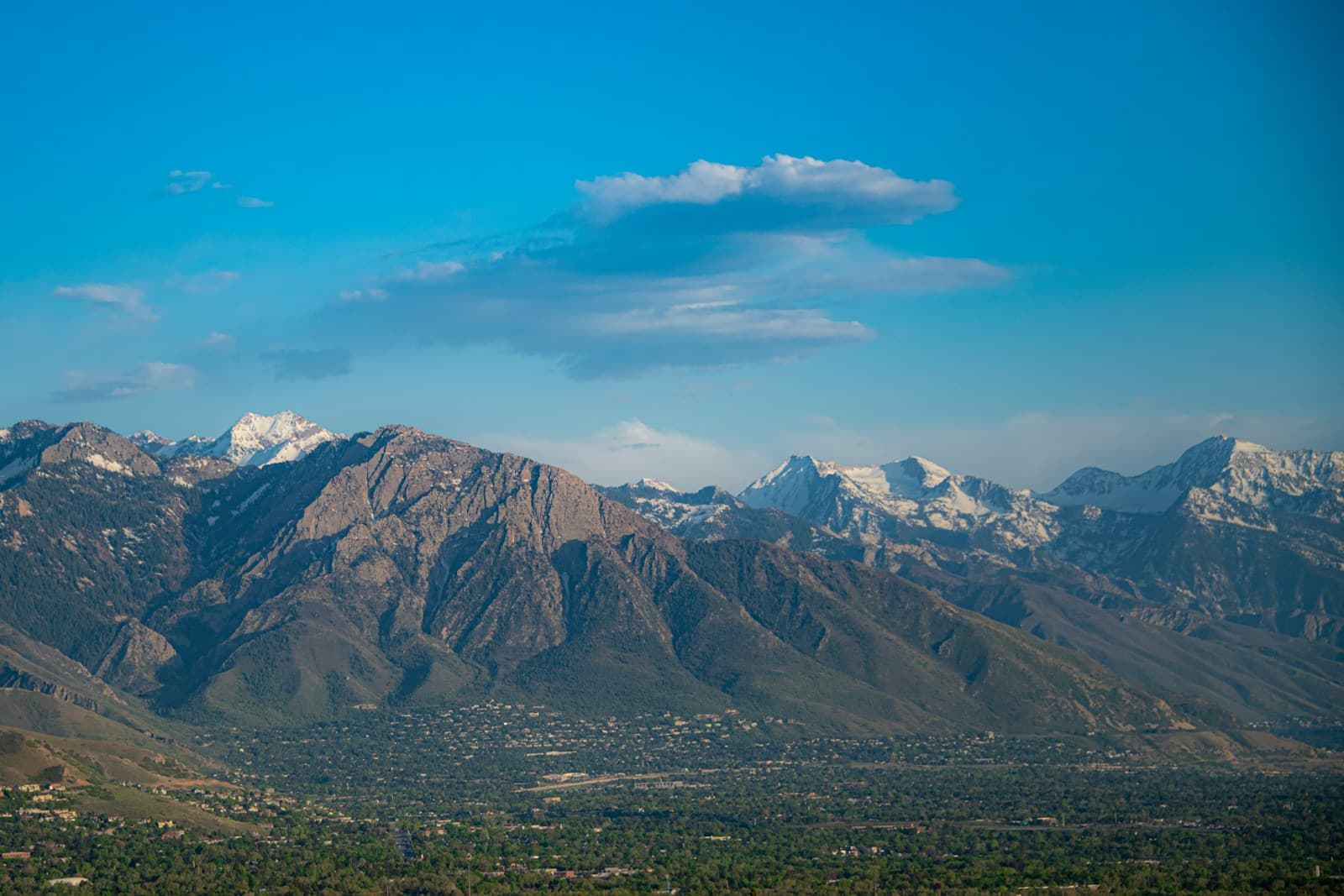
- Salt Lake City sits at 4,226 feet elevation, where lake-effect snow from the Great Salt Lake creates sudden visibility changes and icy conditions on surface streets from November through March. Senior drivers in the Avenues face steep grade roads (11th Avenue, Capitol Hill approaches) that become particularly challenging during inversion periods when temperatures drop and ice persists. Comprehensive coverage remains cost-justified for vehicles stored outside during winter months, as hail damage claims spike in spring and early summer along the Wasatch Front, and collision coverage protects against the higher frequency of winter slide-offs on arterial roads like Foothill Drive and 1300 East.
- Many Salt Lake City senior drivers reduce annual mileage from 12,000+ miles during working years to 5,000–7,000 miles in retirement, primarily driving to medical appointments at University of Utah Health or Intermountain facilities, grocery trips to local Harmons or Smith's locations, and occasional drives to Temple Square or Liberty Park. For paid-off vehicles older than 8–10 years with market values below $6,000, switching from full coverage to liability-only (maintaining Utah's 25/65/15 minimums plus uninsured motorist coverage) can reduce premiums by $40–$70/mo, though this calculation changes if the vehicle is a primary asset or if repair costs would create financial hardship. Low-mileage discount programs from carriers like Metromile or Nationwide's SmartMiles can reduce premiums 20–30% for drivers logging under 7,000 annual miles, provided the telematics device or odometer photo verification aligns with the driver's comfort level with technology.
- Utah requires personal injury protection (PIP) as part of minimum coverage, but senior drivers on Medicare Part B need to understand coordination of benefits — Medicare typically serves as primary payer for accident-related injuries, with PIP covering deductibles, copays, and services Medicare doesn't cover (ambulance transport from accidents on I-15 or Redwood Road to nearby trauma centers, for example). Reducing PIP from the standard $3,000 to the state minimum can save $8–$15/mo, though drivers with Medicare Advantage plans should verify their plan's accident coverage before reducing medical payments, as some MA plans have network restrictions that could leave gaps if transported to an out-of-network facility during an emergency on I-80 or Bangerter Highway.
- AARP offers in-person Smart Driver courses monthly at locations including the Salt Lake City Public Library (210 East 400 South) and online versions that satisfy Utah requirements for insurance discounts, typically 5–10% premium reduction for three years after completion. Carriers including Farmers, American Family, and USAA recognize these courses, though drivers must proactively request the discount and provide the completion certificate — it is not automatically applied. The eight-hour course (completed in one day or split across two sessions) costs $25 for AARP members, $30 for non-members, and is available in Spanish at select Salt Lake City locations, with the discount often recovering the course cost within 3–4 months for drivers paying $110+/mo for coverage.
Compare rates from carriers that specialize in senior drivers
Mature driver discounts, low-mileage rates, and coverage reviews — see what you're actually eligible for.
Get Your Free QuoteCoverage Recommendations
Cost estimates are based on available industry data and vary by driver profile. These are not insurance quotes.
Liability Insurance
Salt Lake City's dense pedestrian zones near Temple Square, downtown TRAX stations, and the 9th & 9th district create higher liability exposure for drivers navigating crosswalks and bike lanes on 200 South, 900 South, and 300 East.
$35–$65/mo for 100/300/100 limitsEstimated range only. Not a quote.
Uninsured Motorist Coverage
Utah's uninsured motorist rate typically runs 10–12%, with higher concentrations in west Salt Lake City neighborhoods and along Redwood Road, making this coverage particularly important for senior drivers who may face medical costs that exceed Medicare coverage after an accident caused by an uninsured driver.
$12–$25/mo for 100/300/100 UM limitsEstimated range only. Not a quote.
Comprehensive Coverage
Hail damage claims spike along the Wasatch Front in spring and early summer, and vehicle theft rates remain elevated in downtown Salt Lake City parking structures and neighborhoods west of I-15, particularly affecting vehicles parked overnight near 400 West and North Temple areas.
$18–$40/mo depending on vehicle value and deductibleEstimated range only. Not a quote.
Collision Coverage
Winter driving conditions on Salt Lake City's elevated streets, particularly in the Avenues and Capitol Hill neighborhoods where grades exceed 8% and ice persists during inversion periods, create higher collision risk during November–March for drivers who cannot avoid winter trips.
$35–$75/mo for paid-off vehicles; consider dropping if vehicle value under $5,000Estimated range only. Not a quote.
Personal Injury Protection (PIP)
With University of Utah Health, Intermountain Medical Center, Salt Lake Regional Medical Center, and St. Mark's Hospital all within 15 minutes of most Salt Lake City neighborhoods, emergency medical transport and treatment access is strong, though PIP covers ambulance costs and Medicare copays that can add up after accidents on I-15 or I-80.
$8–$20/mo depending on limits ($3,000–$10,000 typical)Estimated range only. Not a quote.